Table of Content
Play around with the capabilities, explore the world of AI, or decide to just embrace an AI-minimalism. Check out these smart home artificial intelligence gadgets to upgrade your smart home and embrace the future of AI. Smart Homes, which combine AI and IoT, appeal to the tech-savvy while lowering energy bills and increasing security.

LG has already added a cheerful personality to its Clio robot, while Sony will enhance its Aibo Robotic dogs with personality and unique emotions. He is also the Features Editor at ReHack, where you can read more of his work. Most of the times, you’re not able to clean all the dust of your home efficiently because you can’t supervise them as the smart cleaner could.
AI Virtual Assistants: The Brain of the Artificial Intelligence-Powered Smart Home
Artificial intelligence can also help next-generation home security systems to actively monitor and analyze for potential security threats. These systems are configured with artificial intelligence logic, which, in turn, has facilitated the development of a tailored suite of countermeasures to protect the house. It is expected that AI-powered smart cameras will play a vital role in home security. These cameras can record HD videos and automatically store them in the cloud for future reference. With the help of smart connected apps, an individual can have a clear view of his/her house to safeguard from security threats.
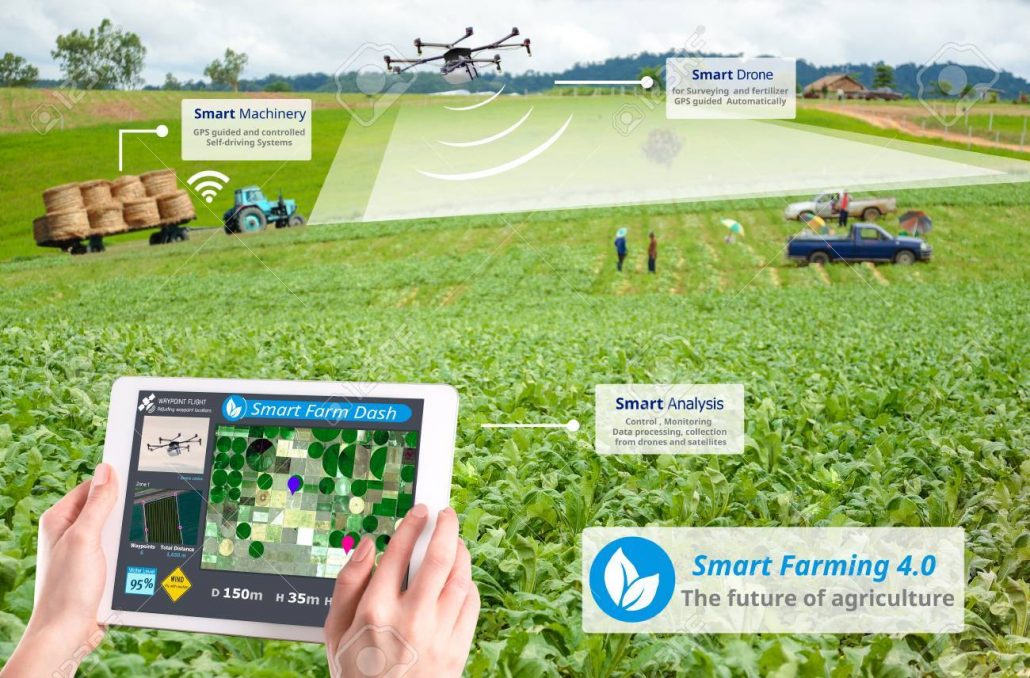
Moreover, due to the technology’s capability to store electricity in energy storage systems, smart homes can benefit from energy even if there is a power outage. In other words, due to energy storage enabled by AI technology, smart homes will find it easier to gain independence from the electricity grid and save money on electricity bills. It mimics the knowledge and learning abilities of humans, all on a technological basis. IoT stands for ‘Internet of Things’ and refers to the innovation that empowers devices and appliances to convey over the internet. So, that they can either be controlled remotely or to a user’s voice commands or by sending data about their status via a command. Another scenario where deep learning and interoperability of smart appliances can be used is to learn the daily schedule of the user and work accordingly.
How Artificial Intelligence (AI) Can Transform Your Home
They also help make the lives of millions of people safer, more convenient, and more comfortable. The AI might learn that the homeowner had been in the car for the last hour and turn on additional lights to the closest bathroom when the homeowner arrives at night and the house is dark. However, the best AI system still needs to initially be customized for an individual homeowner’s needs.
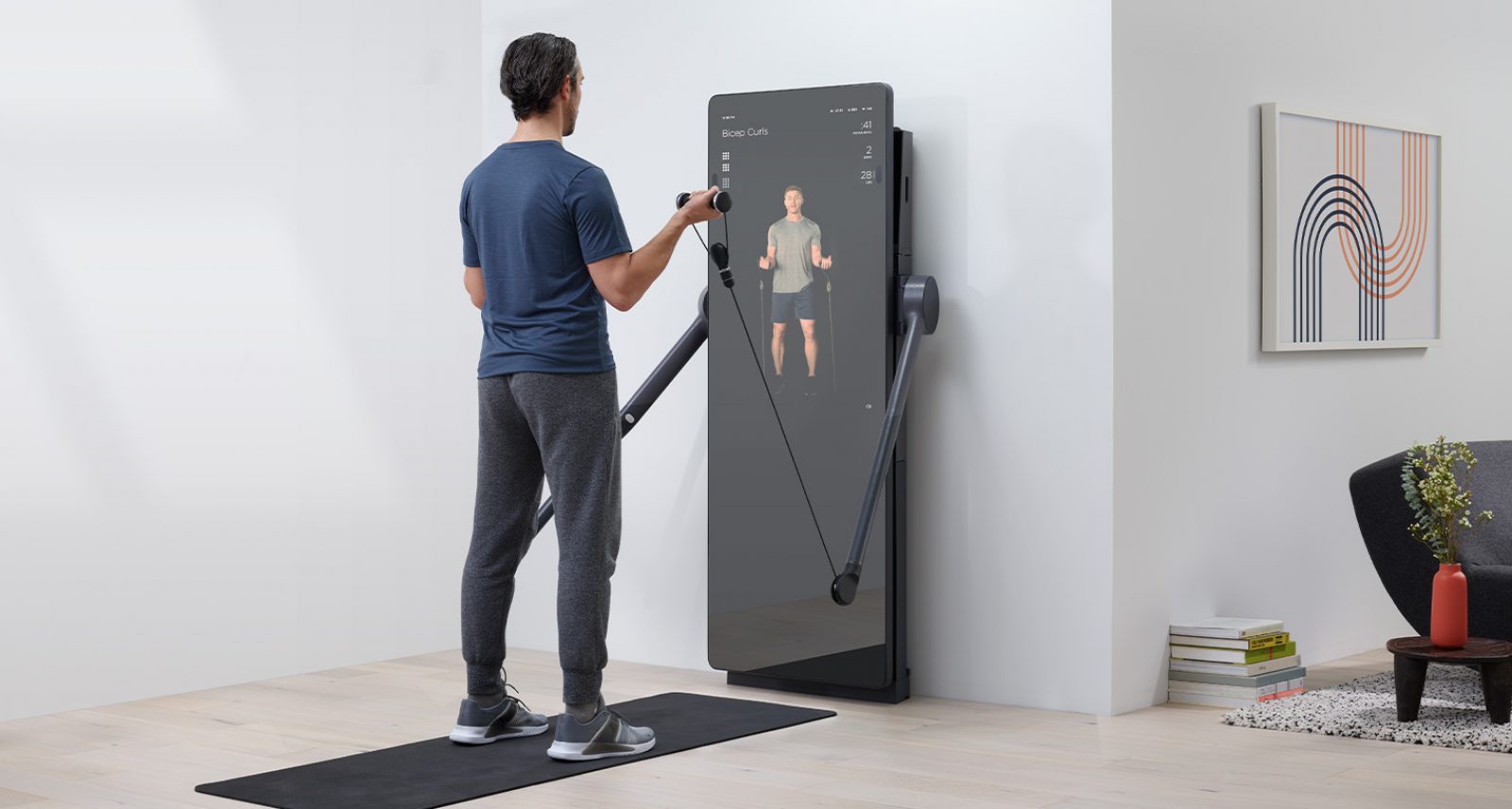
Some smart locks are based on the biometrics that makes the smart lock technology smarter and provides a unique identification process to the users and better security as well. Some offer compatibility with alarm systems to alert in case of burglary, and fire. The feasibility of remote connectivity and access through smart meters provides the functionality to track the electricity consumption and send information in real-time to a smartphone. We can remotely monitor electricity when appliances are not in use and cut off the power in order to save the electricity. We are all familiar with Smart TVs that are Wi-Fi enabled and work with streaming sticks. AI-powered TVs are gaining popularity nowadays, as they come with new features like voice command, which can understand the context of a conversation using Natural Language Processing .
Advantages Of Having A Smart Home
Smart home technology has its applications in household appliances, home safety & security, lighting, and entertainment. Key industries have started integrating artificial intelligence with smart devices to enable connectivity among these devices. For example, let’s assume that the thermostat, audio speakers, lights, security cameras, TV, etc., are connected to a network. As a part of smart home technology, it will be possible for you to control them from a single device – your smartphone. New devices and tech gadgets enter the consumer marketplace each year, with updated models offering sleeker designs and promising more advanced capabilities than earlier offerings.

In the future when the commercialized vehicle to grid technologies are in place, the role of these technologies will be further intensified. With the integration of AI and IoT, Smart Homes only cater to the tech-savvy but also help with saving energy costs and higher security very significantly. So, Smart homes give ease of satisfaction and a sense of security for the next level of high-tech living. Practically all current brand of switches, AC or lighting all can be changed over to be IoT empowered through a significant number of retrofit solutions that are a brand skeptic.
Metacognition, games (and preview on artificial intelligence)
Also, the motion detection feature of smart cameras personalizes and alerts any movements in the vision zone, based on the availability or non-availability of residents in the home. Using remote assistance and smartphone connectivity, we can see if the doors are locked and accordingly update the family or friends. All these door locking functions work on mobile-enabled technology, which improves the overall safety of the home premises. An efficient solution can be developed using AI technology, which can easily track all the activities through a connected mobile application. Also, round the clock troubleshooting and diagnostics can be offered by monitoring the energy usage and usage patterns of the appliance.
They will help make everyday life convenient not only for those who understand technology; any user will be able to intuitively figure out how to set up devices and automate their work processes. The use of technologies in the washing machine allows them to adjust the amount of used washing powder or other detergents, set the operating mode, and turn on the device at a particular time. Also, the regulation process can be programmed based on a load of laundry in the drum and the type of fabric. For the most part, AI’s role in the smart home has simply been a new, and more convenient, way for people to control the devices in their home; using their voice. That is starting to change and for both integrators and homeowners there will be a dramatic transformation.
And it can’t only play the mobile content there but can also understand all the commands provided by the mobile. The most important and spectacular things of the smart fridge are the communication of two devices that can start each other after it. For e.g., if you have selected a recipe with the assistance of your refrigerator, AI will automatically start working and will communicate to the oven to start. The smart fridge will also help you in creating a shopping list because storage in the fridge can easily be checked through your Smartphone. Besides, all inside photos will also be uploaded in your mobile and a user can monitor the inside temperature and temperature of freezers as well.
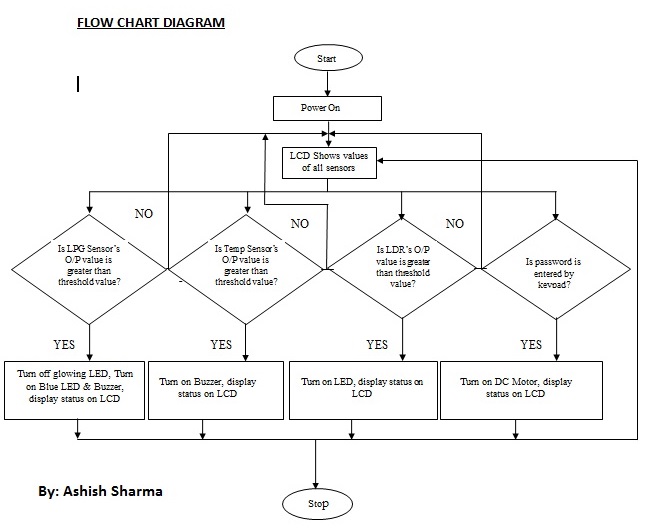
The LG air conditioner can detect the number of people inside the room and their identity and can keep the temperature according to their preferences. AI in smart homes can convert raw sensor data from the connected smart device into a design of behavior that is relevant to our daily life. Devices integrated with AI learn the inhabitants' routine and start to predict the experience that suits depends on that.
Combining AI and smart home technology can create optimal living conditions for homeowners, automate tasks, and even make decisions. AI devices act as an external brain that can manage various daily activities in a home. Artificial intelligence also finds application in distributed energy generation, as it integrates automatic energy storage systems with distributed energy sources to store and utilize electricity. Devices such as Tesla Powerwall can store electricity in energy storage systems so that it can be utilized at night or during a power outage.




No comments:
Post a Comment